April 21, 2026 • By Childing Team
The Living Kami: Exploring the Shinto Logic of Filial Piety
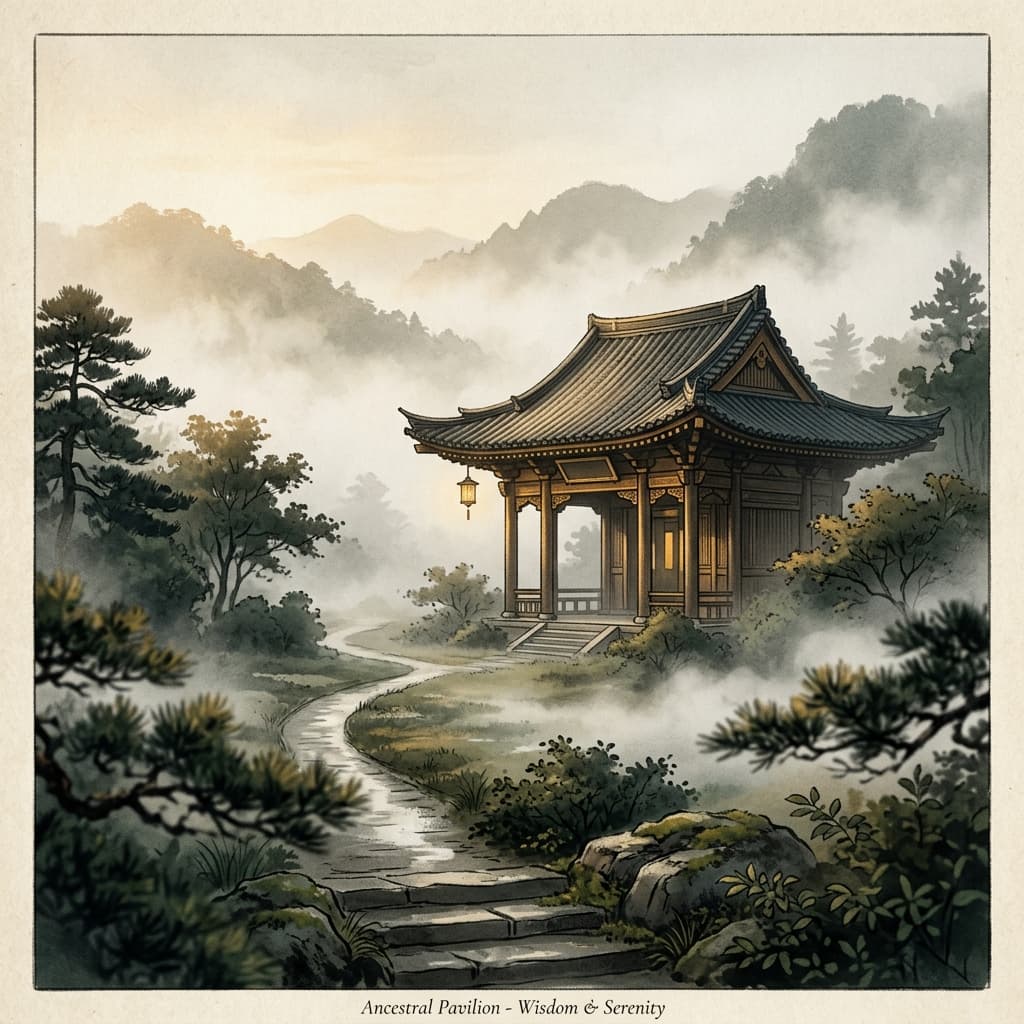
While Confucianism provided the strict, structured societal rules for filial piety across East Asia, the indigenous Japanese religion of Shinto provides a deeply spiritual, mystical, and profoundly animistic logic for honoring one's parents.
In Shinto, there is no hard line between the human realm and the divine realm. The world is filled with Kami (spirits, gods, or divine life forces), and your family tree is intimately connected to them. Here is the breathtaking Shinto logic for why "Childing" is a sacred duty:
1. The Ancestors as Guardian Deities (Ujigami)
A foundational pillar of Shinto belief is ancestor veneration. When a family member passes away, their spirit does not simply disappear or move to a distant heaven. Through proper memorial rites over time, the spirit of the deceased elevates to the status of an ancestral Kami (often acting as an Ujigami, a guardian deity that protects the specific family and local village).
Therefore, your living, aging parents are essentially "Kami-in-waiting." They are the future guardian spirits of your children. To neglect or disrespect them in their twilight years is to deeply insult the very spirits who will soon be tasked with protecting your family from the spiritual realm.
2. Musubi (The Sacred Flow of Life)
Shinto holds an intense reverence for nature and the mysterious, interconnecting energy that creates life, known as Musubi.
You did not materialize out of thin air; the sacred, divine life force literally flowed from your ancestors, through your parents' bodies, and into you. Rejecting your parents or acting ungratefully toward them is considered a spiritual rejection of Musubi itself. You cannot claim to revere life or nature if you despise the two natural conduits who delivered that life to you.
3. Purity and Harmony (Wa)
The ultimate goal of a Shinto practitioner is to maintain spiritual purity (Harae) and social/cosmic harmony (Wa).
Strife within the home—such as shouting at an elderly mother, or abandoning a frail father—creates a severe spiritual pollution known as Kegare. This pollution distances the household from the blessings of the Kami. Treating your parents with gentle reverence, offering them the most comfortable seat, and tending to their medical needs is an active, daily purification ritual that keeps your home spiritually clean and harmonious.
4. Kansha (Radical Gratitude)
A core tenet of the Shinto worldview is Kansha (deep, radical gratitude). A Shinto practitioner is taught to bow in gratitude to the sun for warmth, to the rice field for sustenance, and to the forest for wood.
If one is expected to be profoundly grateful to a tree, the mathematical logic dictates that the gratitude owed to a mother and father—who sacrificed their own physical vitality, slept in terror during your childhood illnesses, and poured endless resources into your survival—must be absolute.
In Shinto, filial piety is not a forced obligation; it is the natural, inevitable overflow of a heart that is truly awake to the miracle of being alive.