The Rituals of Honor
Filial love is not just a feeling; it is a verb. It requires action. Here are powerful, culturally rooted rituals you can practice to tangibly honor your parents today.
The Tea Ceremony (Jing Cha)
A profound gesture of respect and gratitude. Serving tea to parents, often kneeling, is a physical manifestation of honoring those who gave you life and raised you.
Modern Application
You don't need a formal wedding to serve tea. Make it a weekend morning ritual to brew their favorite tea and serve it with intention and a listening ear.
The Weekly Letter
In an era of instant messaging, a handwritten letter carries the weight of time and deep thought. It is a tangible piece of love they can hold and re-read.
Modern Application
Commit to writing one short letter a week or month. It doesn't need to be profound—just a memory, a thank you, or an update on your life written in your own hand.
Washing of the Feet
An ancient symbol of humility and service. Taking the lowest physical posture to care for the literal foundation of their body.
Modern Application
While literal foot-washing might feel overly formal, treating them to a pedicure, massaging their hands, or helping them apply lotion is a modern equivalent of this tender care.
The Feast of Honor
Food is the universal language of care. Preparing a feast explicitly in their honor, using recipes they taught you, brings the family together to celebrate their legacy.
Modern Application
Host a dinner where they are the guests of honor. Cook their favorite childhood meals and ask them to share the stories behind those dishes.
The Vocal Reverence
The habit of answering parents with formal titles—like 'Yes Sir', 'Yes Ma'am', or using respectful markers like 'Po/Opo' in the Philippines—is a powerful verbal ritual that establishes a baseline of honor.
Modern Application
Even as an adult, responding to a parent's request with a solid, immediate 'Yes Mama' or 'Yes Sir' rather than a dismissive 'yeah' completely elevates the emotional tone of the conversation.
Related Reading: Explore The Wisdom Archive

The Great Divide: Why Humans Care for Their Parents
In the wild, maternal instinct is fierce, yet animal offspring never return to care for their aging parents. Discover the emotional and spiritual reasons why humans are uniquely designed for filial piety.
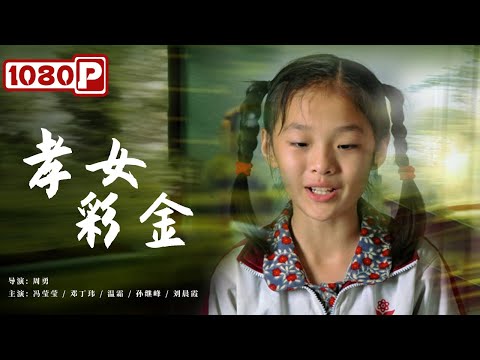
Movie Review: Filial Daughter Caijin
Based on the breathtaking true story of Peng Caijin, whose real-life filial devotion inspired the world and led her to become an Olympic torchbearer.
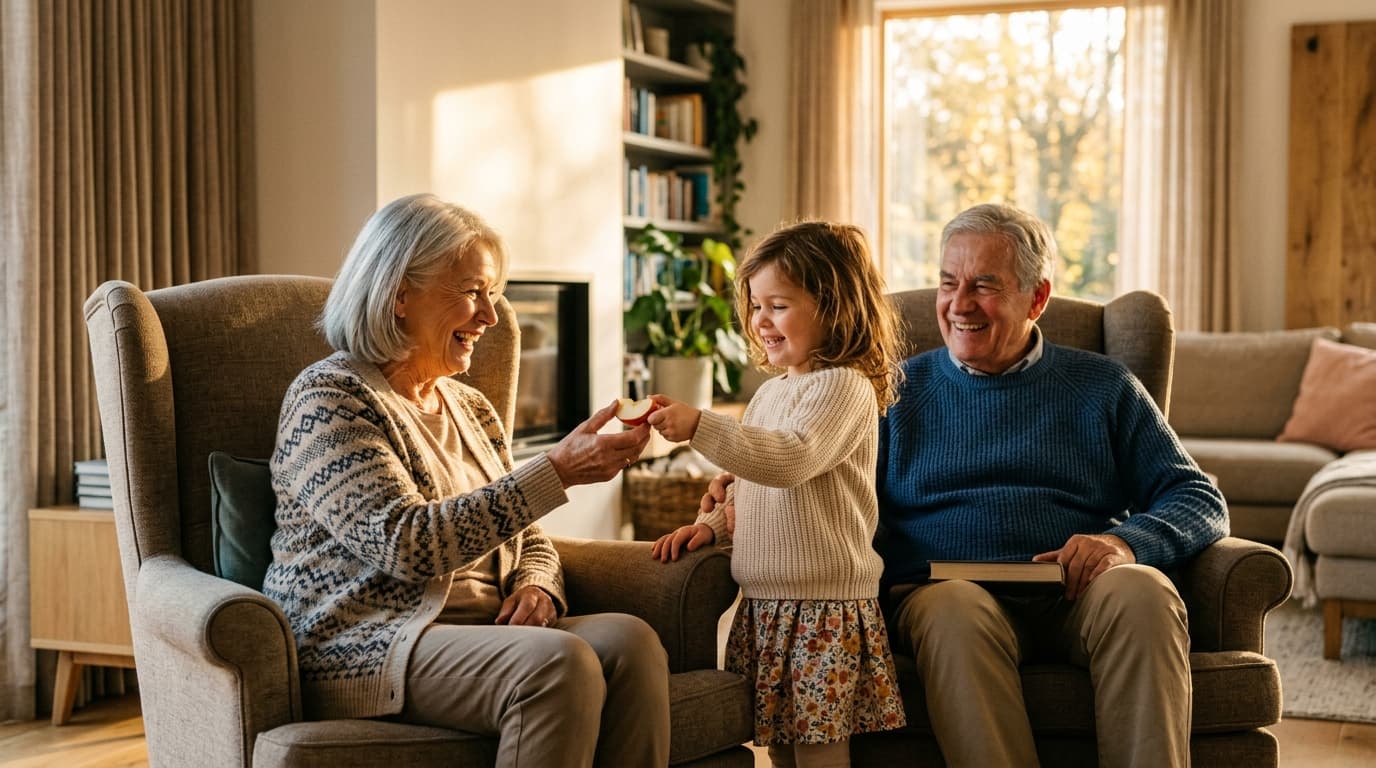
How to Raise Grateful Children in an Age of Entitlement (Using 3,000-Year-Old Wisdom)
We give our kids everything, yet they often seem to appreciate none of it. Discover how a 3,000-year-old parenting philosophy can help you shift from a child-centric home to a family-centric one, raising deeply respectful and grateful children.
Caring for Aging Parents is a Sacred Privilege (And How to Deal with Exhausting)
Caring for aging parents is one of the most noble privilege yet sometimes can be physically and emotionally exhausting seasons of life. Discover how ancient wisdom can help you survive caregiver burnout, drop the guilt, and find deep peace in the hardest phase of honoring your parents.