What is Filial Piety, Honoring Parents, Childing?
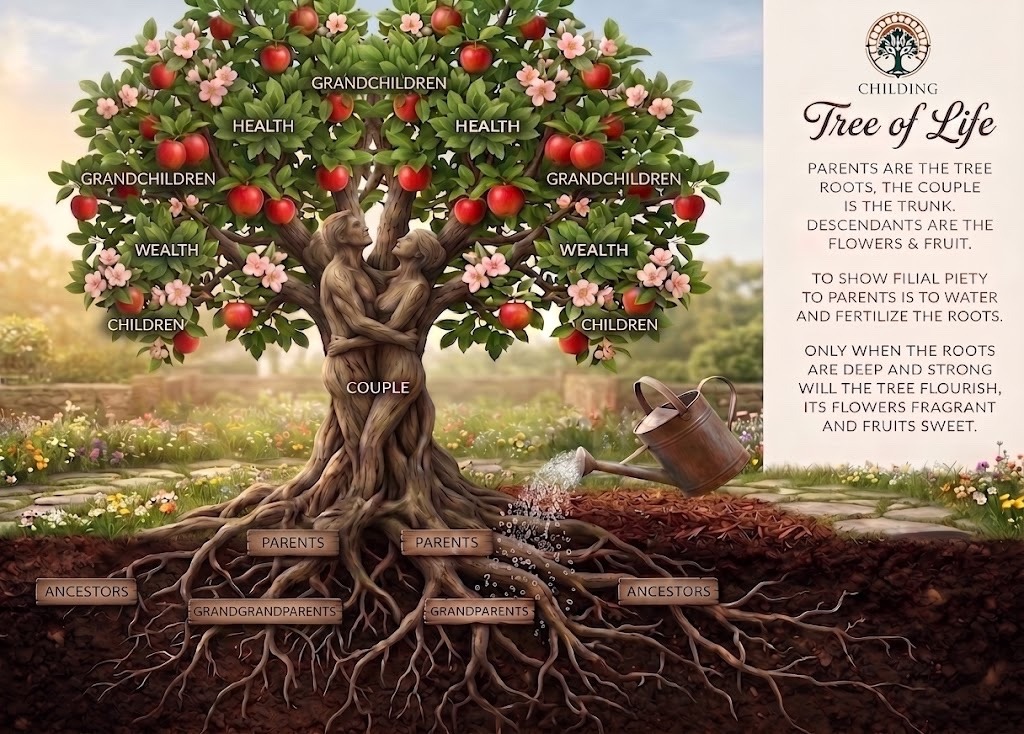
Filial piety is the enduring virtue of honoring, respecting, and caring for one's parents. While most closely associated with Confucian philosophy, the principle transcends cultures and religions. Nearly every civilization has recognized that gratitude toward those who gave us life is the foundation of strong families, healthy communities, and moral character.
Filial Piety Shapes Character
We first learn gratitude, humility, responsibility, sacrifice, patience, and love within our family. These virtues then become the foundation for how we treat everyone else.
That elevates filial piety from simply "being good to your parents" to being the starting point of moral development. Practicing filial piety transforms both individuals and society. It teaches us that no one succeeds alone.
A person who learns to honor parents often develops greater respect for teachers, mentors, elders, communities, and ultimately humanity itself.
The Universal Nature of Filial Piety
One of the biggest misconceptions is that filial piety belongs only to Chinese culture, or that honoring parents belongs only to Christians. In truth, it is a universal human virtue. A core principle articulated in nearly every major wisdom tradition in history:
- Confucianism: The Root of Virtue
- Christianity: "Honor your father and mother"
- Judaism: The Fifth Commandment
- Islam: Kindness to parents after God
- Hinduism & Buddhism: Reverence for ancestors
- Indigenous Traditions: Respect for elders
Why It Matters
Children who witness filial behavior are more likely to practice it with their own parents, creating a legacy of gratitude and resilience that spans generations.
Intergenerational Support
Research indicates that emotional and financial support from children directly improves the physical and psychological well-being of elderly parents, enhancing cognitive abilities and delaying the need for assisted living.
Societal Stability
The virtue promotes collective responsibility. By instilling a deep sense of duty to care for aging family members, it creates a sustainable, community-based safety net that reduces elder isolation.
Moral Development
Philosophically, it is often viewed as the root of all virtue. Honoring parents cultivates fundamental human capacities for empathy, gratitude, and the recognition of sacrifices made for the next generation.
Cultural Identity
Through practices like ancestor veneration and respecting family traditions, filial piety preserves heritage and strengthens a shared sense of belonging.
Stories That Inspire
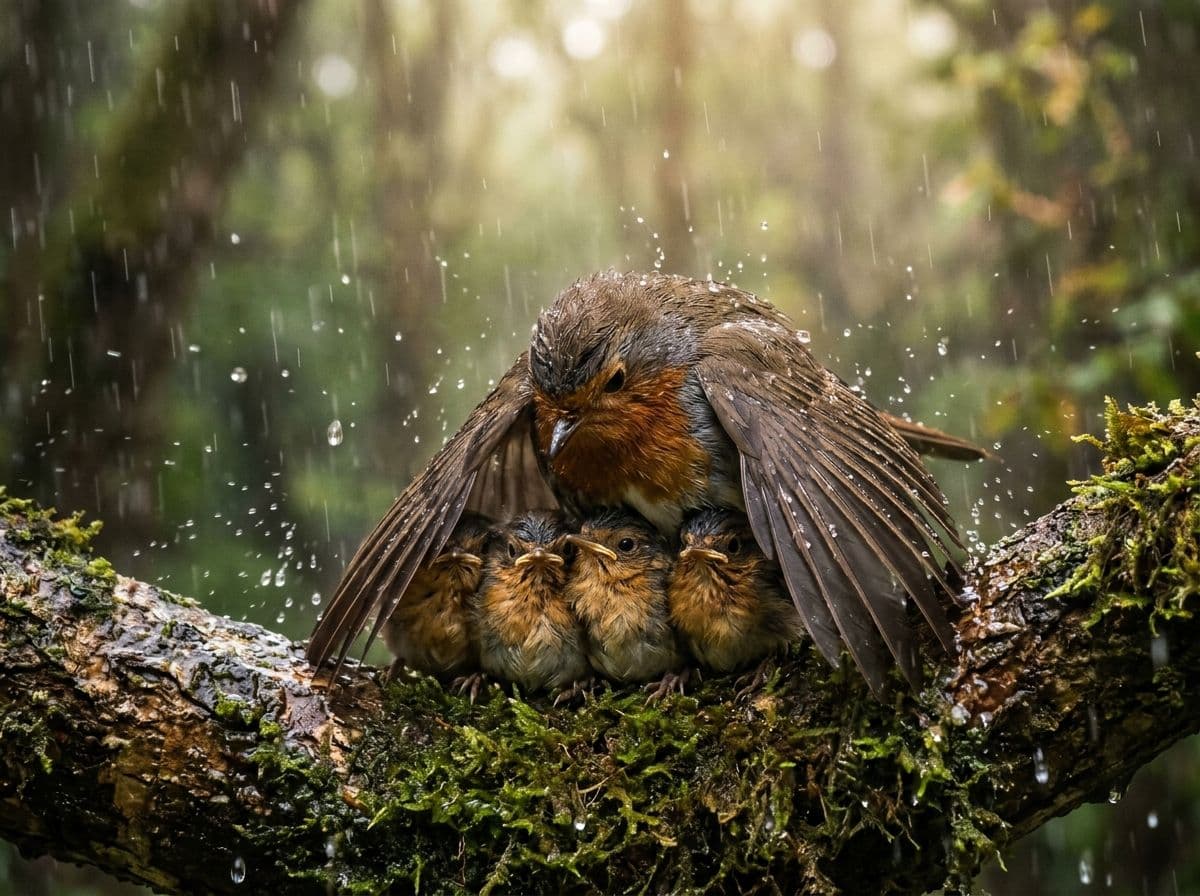
The Great Divide: Why Humans Care for Their Parents
In the wild, maternal instinct is fierce, yet animal offspring never return to care for their aging parents. Discover the emotional and spiritual reasons why humans are uniquely designed for filial piety.
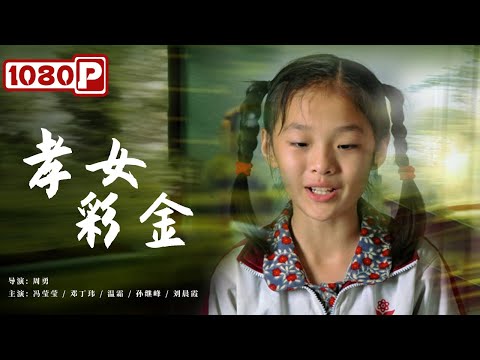
Movie Review: Filial Daughter Caijin
Based on the breathtaking true story of Peng Caijin, whose real-life filial devotion inspired the world and led her to become an Olympic torchbearer.
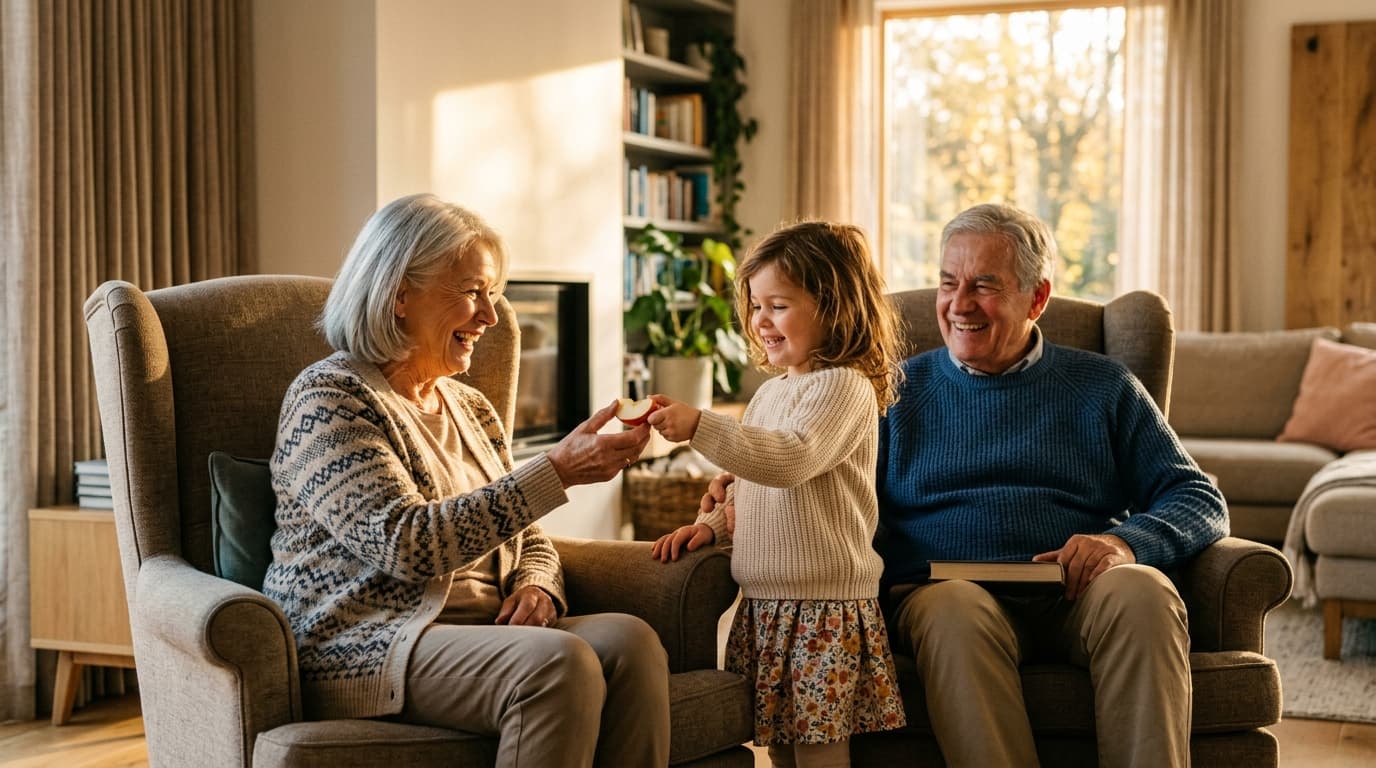
How to Raise Grateful Children in an Age of Entitlement (Using 3,000-Year-Old Wisdom)
We give our kids everything, yet they often seem to appreciate none of it. Discover how a 3,000-year-old parenting philosophy can help you shift from a child-centric home to a family-centric one, raising deeply respectful and grateful children.
Caring for Aging Parents is a Sacred Privilege (And How to Deal with Exhausting)
Caring for aging parents is one of the most noble privilege yet sometimes can be physically and emotionally exhausting seasons of life. Discover how ancient wisdom can help you survive caregiver burnout, drop the guilt, and find deep peace in the hardest phase of honoring your parents.