May 4, 2026 • By Childing Team
Reclaiming the Birthday: Why We Should Change the 'Happy Birthday' Song
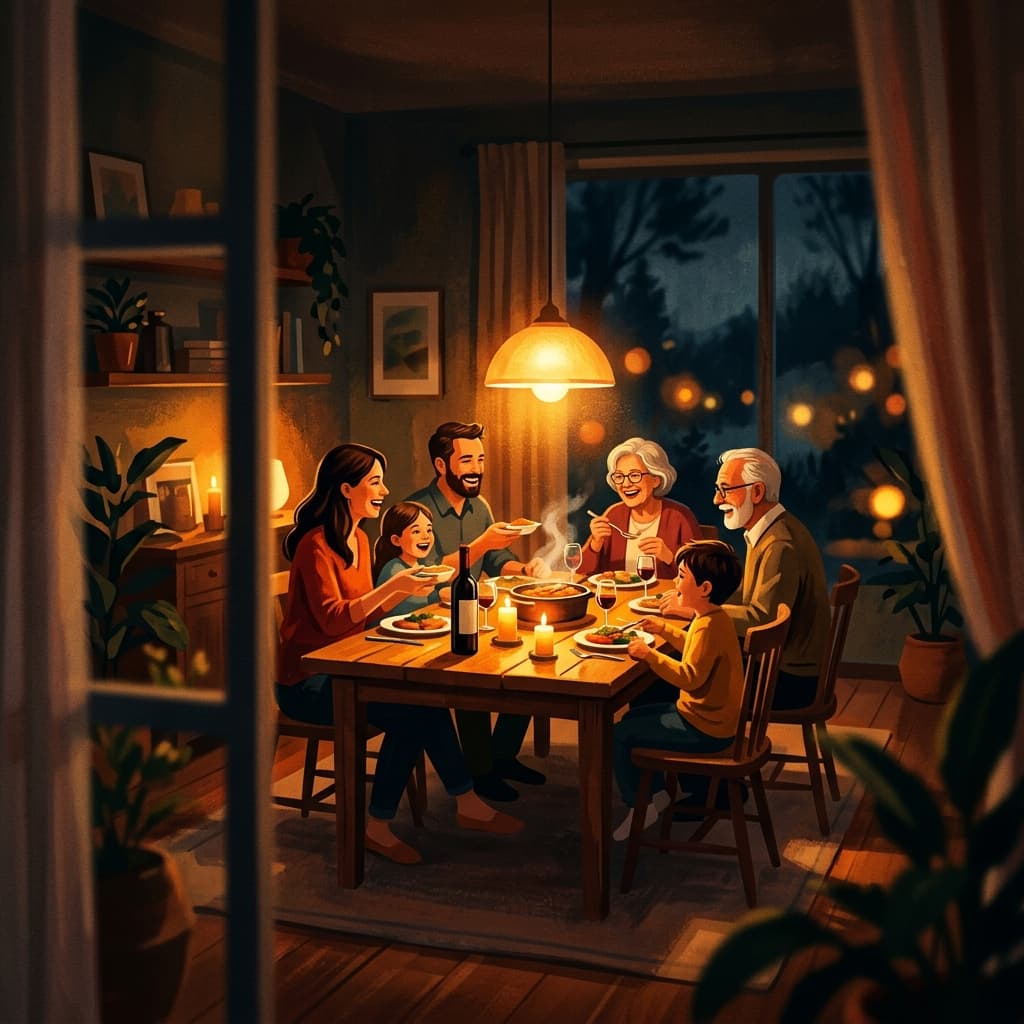
In modern society, a birthday has become a celebration of the self. From the moment we are old enough to blow out candles, we are taught that our birthday is the one day of the year dedicated entirely to our own existence, our own presents, and our own happiness.
But this modern hyper-individualism completely ignores the biological and historical reality of what a birthday actually is.
In ancient Asian traditions, a child's birthday was not called a "Happy Birthday." It was formally known as "The Mother's Day of Suffering" (母难日).
The Biological Reality
Before modern medicine, giving birth was a life-threatening ordeal. To bring a child into the world, a mother had to walk to the very edge of death. She endured agonizing physical trauma, tearing, and the very real possibility that she would not survive the night.
Even today, childbirth remains a monumental physical and psychological sacrifice. A child's birth is fundamentally built entirely on the pain and deficit of the mother. Therefore, the traditional logic dictates: How can a child celebrate their own existence without first falling to their knees to thank the woman who suffered to make that existence possible?
The New Birthday Ritual
At Childing, we advocate for a simple but profound cultural shift. We believe we should reclaim the birthday from a self-centered party and return it to its rightful place as a day of profound filial gratitude.
The easiest way to start this tradition in your own family is by changing the lyrics to the world's most famous song.
The next time it is your birthday—or your child's birthday—do not just sing "Happy Birthday to You." Instead, when the cake is brought out, turn to the mother, use the exact same familiar tune of the "Happy Birthday" song, and sing these four lines:
> Thank you, Mom, for giving birth to me, (谢谢妈妈生我)
>
> Thank you, Mom, for raising me, (谢谢妈妈养我)
>
> Thank you, Mom, for educating me, (谢谢妈妈教育我)
>
> Thank you, Mom, for loving me. (谢谢妈妈爱我)
A Statesman's Final Song
This is not just an empty ritual. These lyrics carry immense emotional weight.
When former Taiwan President Ma Ying-jeou's mother lay passing away in the intensive care unit at the age of 94, his family did not weep in despair. Instead, they gathered around her hospital bed, held the hands that had raised them, and gently sang this exact song. To the tune of "Happy Birthday," they sang those four lines of gratitude as she peacefully closed her eyes and left this world.
It was the ultimate acknowledgment of a mother's lifelong sacrifice.
This year, when the candles are lit, we challenge you to shift the spotlight. Look at the woman who suffered to give you breath, sing to her, and remind her that her agonizing labor was the greatest gift you ever received.