April 21, 2026 • By Childing Team
The Guide to Multigenerational Living: Finding Harmony Under One Roof
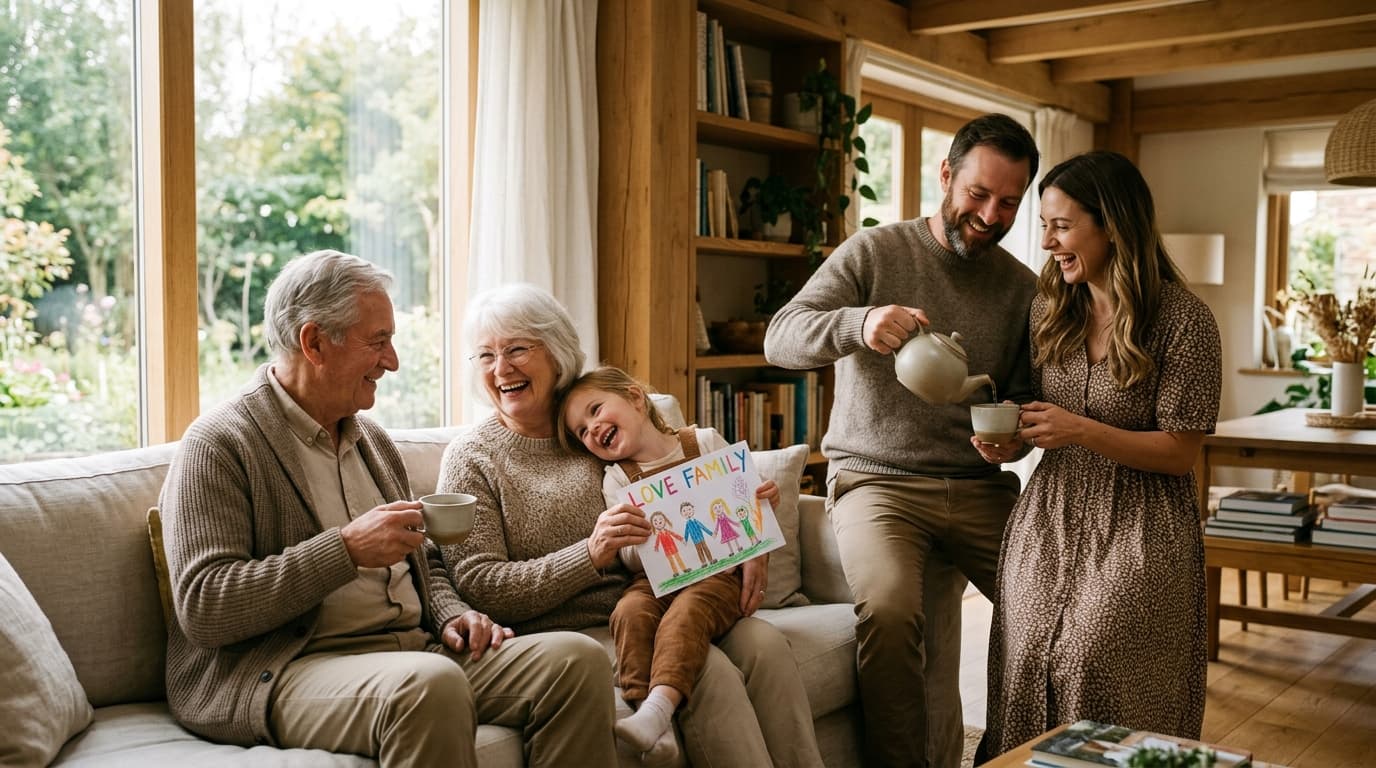
For the vast majority of human history, multigenerational living was the default. Today, particularly in Eastern cultures, most aging parents still live with their adult children.
From a moral standpoint, practicing filial piety often means ensuring your parents have the option to move in with you. However, multigenerational living isn’t guaranteed to be successful just because everyone is family. It requires deep respect, clear communication, and careful planning.
If you are considering combining households, here is what you need to know to balance the profound benefits with the practical realities.
The Beautiful Benefits of Living Together
When families successfully navigate the transition, moving in together is an incredibly rewarding arrangement:
- Financial Efficiency: It is simply cheaper for two families to share one home. Living together drastically reduces the crippling costs of professional in-home care or assisted living facilities.
- Time and Security: Living under the same roof completely eliminates drive time. Adult children can respond to medical accidents instantly, providing ultimate peace of mind.
- Trust and Companionship: Distrust of professional, hired caregivers is a very real anxiety for many families. Living together ensures parents are surrounded by people who genuinely love them, while allowing grandchildren to build daily memories with their grandparents.
- The Beauty of Role Reversal: There is a famous Chinese saying: “你养我小,我养你老” (You raised me when I was young, I will raise you when you are old). Providing hands-on personal care completes the ultimate circle of human tradition and reciprocity.
The Challenges: Do Not Jump blindly
While the idea of moving in together sounds like the perfect solution, it comes with immense personal costs that require careful planning.
If you jump right in without conversation, you may face the devastating ordeal of telling your parents the arrangement isn’t working. Food and utility costs will multiply. Absolute privacy will vanish. The intimacy of a shared living space can heavily strain marriages if in-laws clash on parenting styles.
Note on Dementia: Careful planning is especially critical if a parent has Alzheimer’s disease. In these situations, reasoning with them on house rules or chores is impossible, meaning the living arrangement will become emotionally intense and require the adult child to radically adjust their expectations.
Ground Rules for Welcoming Aging Parents Into Your Home
For multigenerational living to thrive, there must be a thoughtful balance between honoring their dignity and protecting your household's daily rhythm. If you are an adult child preparing your parents to move into your home, following these specific principles can prevent friction and cultivate lasting harmony:
1. Lead with Reverence, Not Control (The Authority Shift)
This is the most delicate transition: you are now the primary steward of the household, but your parents remain the root of your family tree. Never treat them as subordinates or burdensome houseguests. Consult them on family decisions, seek their counsel, and give them a prominent seat of honor at the dinner table. At the same time, maintain a unified front with your spouse on children's discipline and house rules so parenting authority remains clear.
2. Protect Their Autonomy & Self-Worth (Delaying Decline)
Do not rush to take away all their tasks in the name of filial care. When seniors feel useful, their cognitive vitality and physical health thrive. Encourage your parents to maintain their self-care routines—preparing their favorite tea, doing their own laundry, or helping with gardening and reading to their grandchildren if they wish. Reconfigure your living space thoughtfully (first-floor bedrooms to avoid stairs, non-slip bathrooms, well-lit corridors) so they can navigate daily life independently and safely.
3. Establish Clear Boundaries for Space and Privacy
Living under one roof requires intentional personal sanctuaries. Whether you configure a mother-daughter suite, a walk-out basement, or a dedicated private bedroom and sitting area, ensure your parents have a private retreat where they can rest undisturbed. Likewise, protect your own marriage and your children's personal space. Having private zones prevents the emotional exhaustion that comes from constant togetherness.
4. Bridge Them to Society and Technology
Avoid letting your home become a gilded cage. As an adult child, actively help your parents stay connected with the outside world: teach them smartphone features with immense patience, set up video calls with old friends and relatives, and assist with rides to senior centers, community events, or places of worship. Their emotional well-being depends on having friendships and purpose outside the four walls of your house.
5. Handle Finances with Grace and Respect
If your parents have their own pension or savings and wish to contribute to household expenses, accept their contribution with gratitude to honor their pride and independence. However, never view or speak of it as "paying rent." When they raised you, every sacrifice was born of unconditional love, not a rental agreement. Treat shared expenses as a collaborative family contribution, preserving dignity on both sides.
6. Anchor the Home in Three-Generation Rituals
"Families that eat together, stay together." Create consistent family rhythms where three generations gather—sharing weekend dinners, celebrating birthdays, or preserving cultural recipes together. Encourage your children to listen to their grandparents' stories and historical memories. Watching you honor, support, and care for your parents day in and day out is the greatest living masterclass in filial love your children will ever witness.
Multigenerational living is not without its challenges, but when approached with clear communication, mutual grace, and filial consciousness, it becomes one of life's richest blessings.