September 16, 2026 • By Childing Team
How to Raise Grateful Children in an Age of Entitlement (Using 3,000-Year-Old Wisdom)
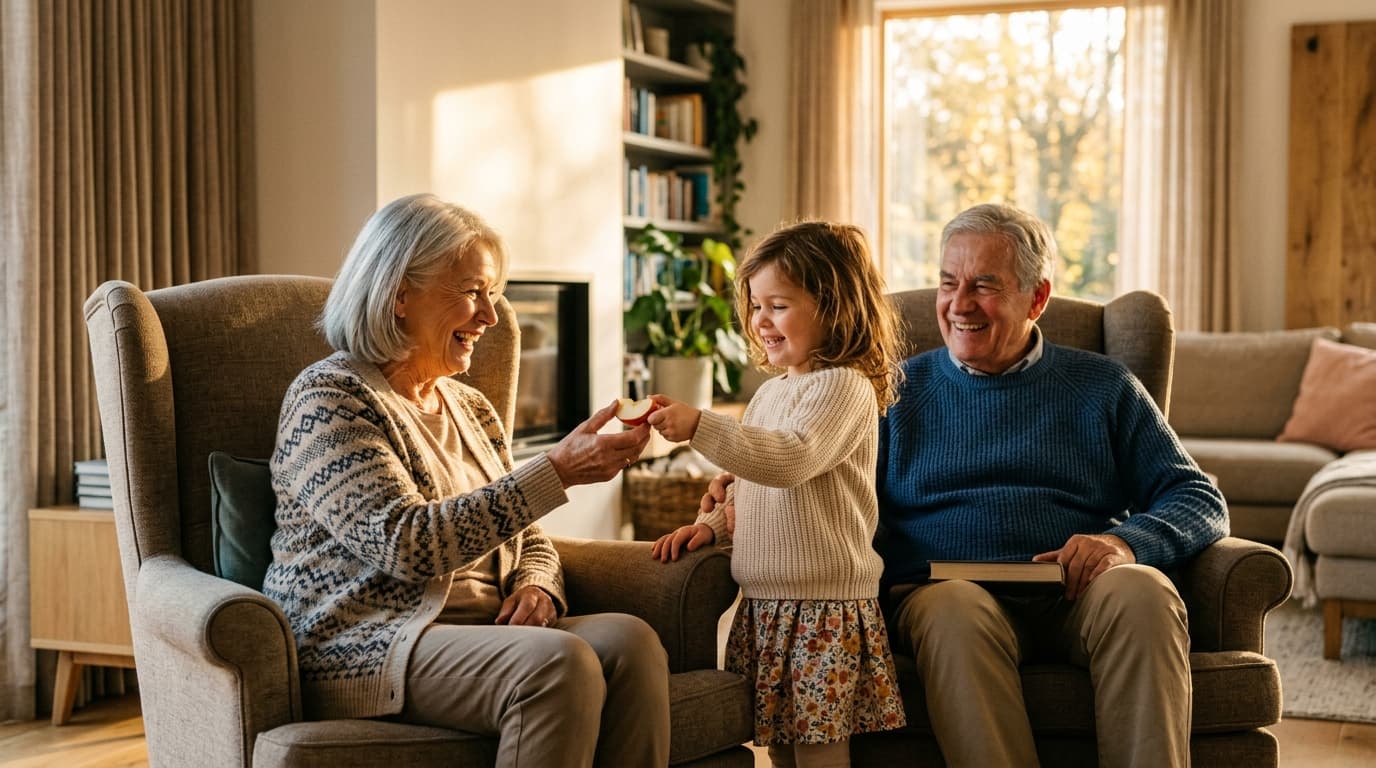
We give our kids everything we didn't have, yet they often seem to appreciate none of it.
The rise of the "child-centric" household has accidentally created a generation of entitled kids. In our desperate modern attempt to validate their feelings and secure their happiness, we have slowly forgotten to teach them duty, respect, and gratitude.
If you are struggling with a child who acts entitled or disrespectful, you are not alone. But the solution isn't found in a modern parenting trend—it is found in a 3,000-year-old philosophy.
Break The Modern Parenting Trap: You Are Not Their Friend
Modern parenting often blurs the lines between parent and child. We want our kids to like us, so we act like they’re friends. But you are not your kids' friends; you are mom and dad.
When we strip away hierarchy in the home, we strip away a child's understanding of respect and you would become their servant. Teaching kids to respect hierarchy isn't about ruling with an iron fist; it is about establishing a safe, structured environment where they understand their place in a much larger ecosystem.
The Shift: Becoming Parents-and-Elders-Centric
To raise a grateful child, the order of the household must reverse. Instead of being child-centric, the home must become parents-and-elders-centric.
We must train our children to actively observe other people's needs before they ask for their own. A perfect example is the practice of sharing: when your child is eating their favorite fruit, gently train them to pause and give a piece to you, to their grandparents, or to share with others in the room before devouring it themselves.
This shifts their mindset from "What can I get?" to "How can I give?"
6 Ancient Principles You Can Apply Today
In ancient Chinese philosophy, this concept is known as Filial Piety. The classic text Di Zi Gui (Standards for Being a Good Student and Child) offers incredibly practical, daily habits to build this character. Here are six you can start today:
1. You Must Model It (The Grandparent Rule)
Children absorb what you do, not what you say. If you want your kids to respect you, they must watch you deeply respect and care for YOUR parents (their grandparents). You are their mirror.
2. The Dinner Table Rule
Introduce small, daily routines of deference at meals. Teach your children to wait for the elders to take the first bite of food before they begin eating. Furthermore, the best part of the food is reserved for the elders, not the children.
As Di Zi Gui (Verses 63-64) teaches, rejecting food out of picky entitlement is deeply disrespectful. It ignores the massive effort, time, and love required to bring that meal to the table.
3. The Seat of Honor
When an elder or a guest enters the room, train your children to immediately offer them the most honorable and comfortable seat. This small physical act of yielding comfort builds profound internal humility.
4. The Practice of Greetings
Respect is shown in presence. Teach your children to warmly greet people when they enter the house. Even more importantly, when elders arrive or leave the house, children should stop what they are doing and stand up to acknowledge them.
5. Share the Responsibilities
Reframing household chores is vital. You don't do chores to earn an allowance or a sticker. You do chores because you live there as a member of the home, and everybody shall pitch in to share responsibilities. Taking care of the home is a baseline act of love for the family.
6. The Habit of Gratitude (No More Entitlement)
Entitlement dies where gratitude begins. If their grandparents pick them up from the school bus stop, drive them home, or help them with a task, the child must look them in the eye and say "Thank you." They must never act entitled to the sacrifices of their elders.
The Long-Term Reward
This is not about raising "blindly obedient" robots. It is about raising deeply empathetic, responsible humans who know how to love properly.
When you teach a child to respect the hierarchy of the home and honor their elders, you give them the tools to respect the broader world. A child who honors their parents becomes an adult who brings honor to everything they do.
Your Next Steps
- Download our Free Printable: Grab our Age-Appropriate Chores Checklist to help your kids start sharing the responsibilities of the home today.
- Keep Reading: Discover more ways to build this culture in our guide to The 20 Forms of Respect.
- Practice Daily: Check out our Filial Piety Flashcards (especially Deck 2 and Deck 4) to make these ancient principles a fun, daily conversation at your dinner table!
Family Movie Night: Looking for an inspiring story to watch with your kids? Read our review of Filial Daughter Caijin, the true story of a young girl's breathtaking devotion to her adoptive parents.